
Gender pay gap won't close for another 30 years, warns trade unions group
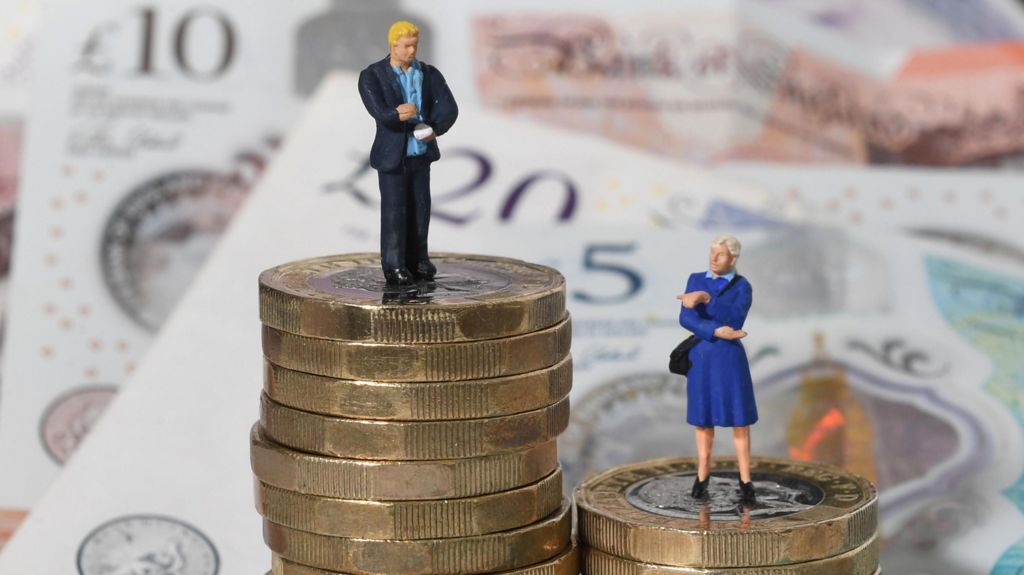
Moves to close the gender pay gap will not be successful until 2056 if progress remains at its current rate, according to the Trades Union Congress (TUC).
The disparity between average wages for men and women is 12.8%, or £2,548 per year, according to TUC analysis of official pay data. It is widest in the finance and insurance industry, at 27.2%. In the leisure service sector it was only 1.5%.
The gender pay gap measures the difference in salaries paid to men and women in the same industries. Employers with more than 250 UK staff must report pay data.
The government said it was "tackling the root causes of the gender pay gap and backing women to succeed at work".
Even in industries where woman make up a majority of the workforce, such as education and health and social care, the gender pay gaps are 17% and 12.8%, respectively.
Pay disparity between genders meant that the average woman employee "effectively works for 47 days of the year for free," the TUC said.
"Women have effectively been working for free for the first month and a half of the year compared to men," TUC general secretary Paul Nowak said.
"With the cost of living still biting hard, women simply can't afford to keep losing out. They deserve their fair share".
Nowak pointed to the recent Employment Rights Act as a "an important step forward for pay parity" but said the government needed to increase access to paid parental leave so "mums and dads can better share care".
The gender pay gap is widest for workers aged 50-59, which the group of unions argues is partly due to the long-term effects of women pausing or reducing their career ambitions and pay to prioritise caring responsibilities.
The TUC, the national federation of trade unions, wants improved access to flexible working and better access to childcare in order to help close the gap.
Throughout the debate around increasing worker rights under the Employment Rights Act business groups argued that increased benefits and leave provisions would increase their costs and reduce their willingness to hire staff.
"The cost of doing business is already leading to firms cutting jobs. With major changes to employment laws coming down the line, the government must be extra careful not to add to those pressures," said Matthew Percival, the Future of Work and Skills Director at business group the CBI.
Employers will soon have to publish plans for how they plan to reduce the gender pay gap.
A government spokesperson said: "Combined with changes to flexible working, stronger protections for expectant and new mothers, and wider action to review parental leave and to expand childcare entitlements, we are tackling the root causes of the gender pay gap and backing women to succeed at work."
(Feed generated with FetchRSS)